The Steady Decline of Manual Transmission Cars in the USA While They Endure in Europe
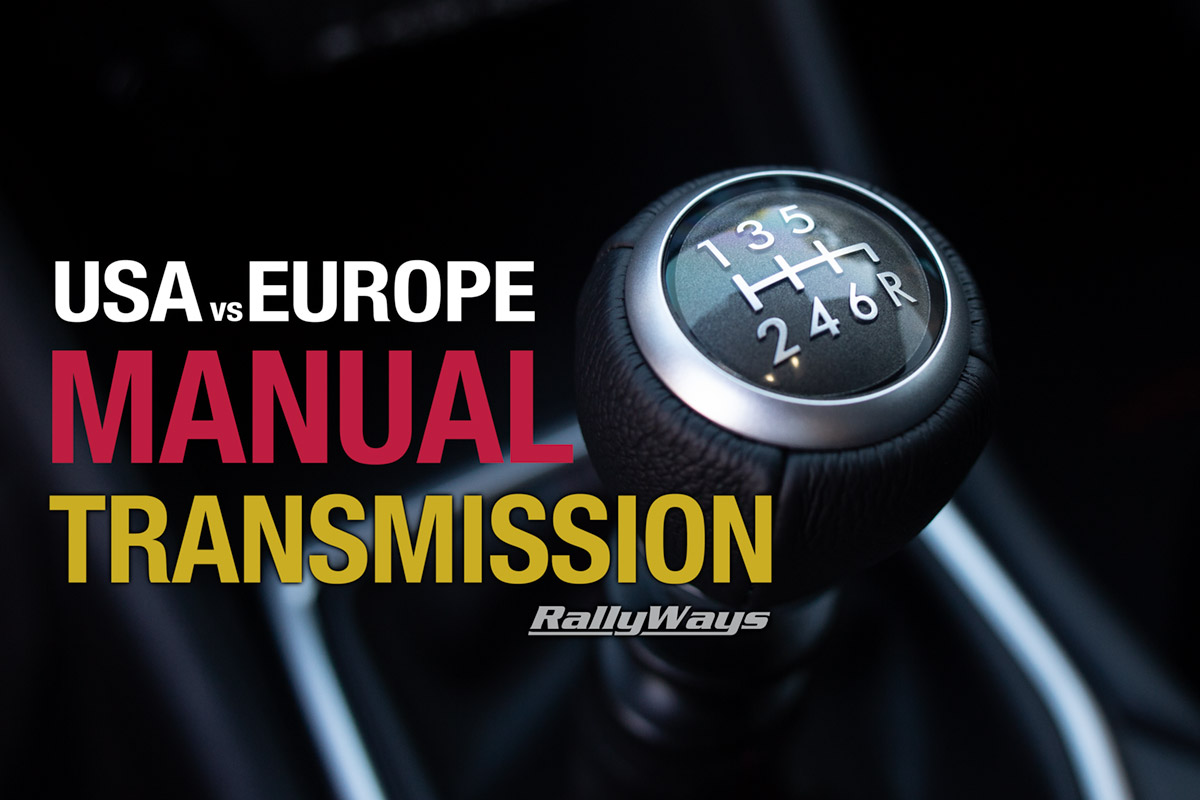
For decades, manual transmission vehicles were the standard across the automotive industry. At one point they represented the bulk of vehicle sales worldwide.
Automatic transmissions at the time were seen as a compromise. They were also more expensive, less reliable and not as fuel efficient – Back then at least. The huge decline in manual transmission cars in the USA as compared to Europe makes it evident there is a substantial difference in driver priorities between both continents.
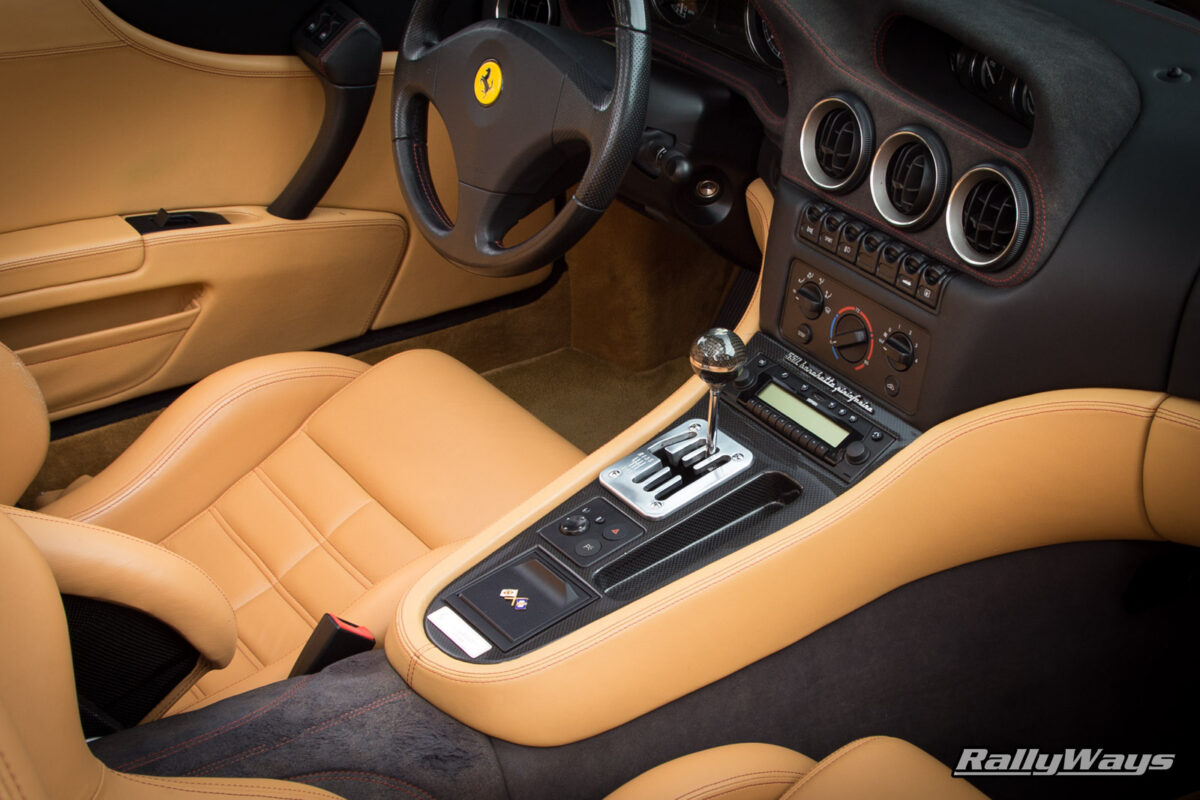
Drivers enjoyed the control and engagement that came with shifting gears themselves. It was all part of the driving experience, and it was considered the standard — hence the term, “standard” or “standard transmission.” These days, even on entry level cars, the standard is an automatic slushbox.
Decline of Manuals in the USA is Much More Drastic
In the United States, the prevalence of manual transmissions has sharply declined, with automatics dominating the market. Meanwhile, in Europe, manual transmissions remain widely popular among everyday drivers. This divergence is driven by differences in infrastructure, driving culture, and consumer priorities. Additionally, part of the blame goes to the dealers and manufacturers themselves for cultivating a specific culture within the USDM car market.
One key factor contributing to the decline of manual transmissions in the U.S. is the country’s shift toward convenience and ease of driving. Americans drive long distances daily, often in stop-and-go traffic, making automatic transmissions far more practical for commuting. Some people don’t care about this and prefer to drive manual transmission even in traffic, but they are definitely in the minority.
In contrast, European cities tend to have more compact urban centers and a strong reliance on public transportation, meaning that when people drive, they often lean more towards a more engaging driving experience. European drivers also learn to operate manual vehicles from the start, making them the default choice. The culture of convenience in driving an automatic is not engrained in European drivers at a young age.
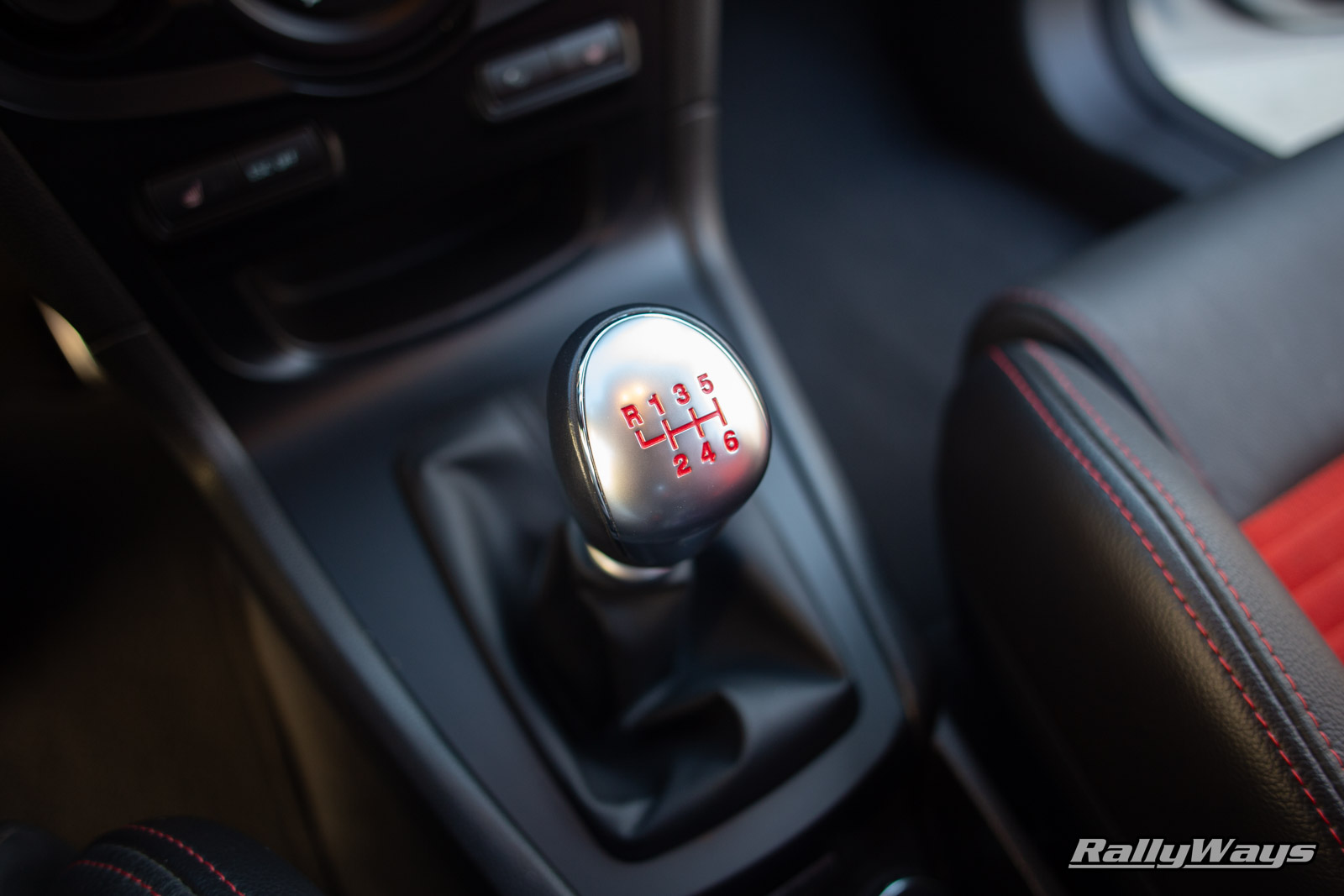
Economic and market influences also play a major role in the difference between the two regions. In the U.S., automatic transmissions have become the new standard due to advancements in efficiency and affordability. Modern automatic transmissions now offer better fuel economy, due to using more gears, removing one of the key advantages manuals once had. Meanwhile, in Europe, manual cars remain more affordable both in purchase price and maintenance. Many European drivers opt for manuals because automatic transmission repairs are often more expensive, making manuals a more economically sound choice. This is specially true about CVT automatic transmissions. Those can be extremely expensive to repair. Some brands don’t even repair them and just opt to replace them with another unit.
Cultural attitudes toward driving have also shaped these trends. In the U.S., driving is often seen as a means to an end—simply a way to get from place to place with minimal effort. This is specially true amongst a younger demographic of drivers. As a result, automatics fit the preference for a more relaxed driving experience. Conversely, in Europe, driving tends to be seen as a skill, with a greater emphasis on engagement and performance. Many enthusiasts and everyday drivers appreciate the added control manuals provide, which fosters a stronger connection between the driver and the vehicle. Generally, car enthusiasts prefer a manual transmission. However, some still use the excuse of heavy traffic to drive an automatic car during the week and leave the manual for the weekends.
Some Manual Transmission Car Models Still Outsell Automatics
Even in the USA, there are still some cars that sell more units as manual transmissions than automatics. One perfect example is the Subaru WRX VB platform. There are a number of online forums that claim the WRX VB sells in excess of 80% as manual transmission, and less than 20%… down to even 17% in automatic.

Another renowned car that is preferred as a manual over an automatic in the USA is the Mazda MX-5 Miata. While it’s likely that the origin al NA Miata had a higher percentage of manuals sold as compared to later models like the ND Miata, still to this day, 60% of all MX-5s sold are manual.
To conclude, the stark difference in manual transmission popularity between the U.S. and Europe can be attributed to things like infrastructure, economic considerations, and cultural attitudes. Americans value convenience and ease, while Europeans prioritize cost efficiency and driving engagement. While manual transmissions may continue to decline in the U.S., they remain a staple of European driving culture, ensuring their presence in the automotive landscape for years to come. Meanwhile, those in the U.S. that still prefer manual transmissions are a fervent bunch. There is a glimmer of hope that we will still see some new vehicles offered with a manual transmission in the USA for some time.
RallyWays Can Build and Maintain Your Website
Have RallyWays build your website, host and maintain it. That way you can focus on running your business.
Site is protected by reCAPTCHA. Google Privacy Policy and Terms of Service apply.